
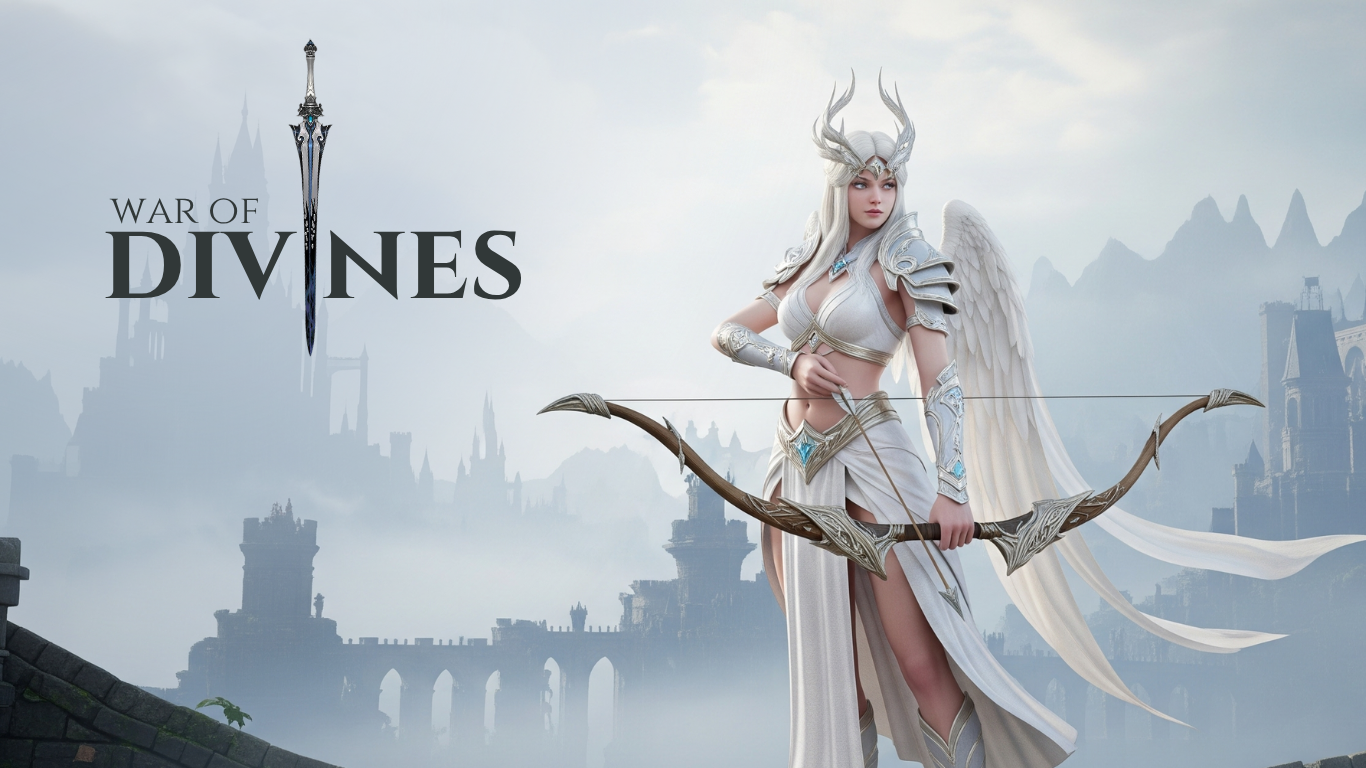
After the collapse of the final titan in Cycle 2-15, the divine realms were left in silence. For the first time in centuries, no war echoed across the celestial planes. The gods, exhausted from endless conflict and shaken by the overwhelming force of the titans, withdrew from direct intervention. In their absence, power shifted—not toward another divine force, but toward something entirely new.
This cycle marks a transitional era in the history of War of Divines I. With the gods in retreat and the titans fallen, the realms entered an age of uncertain rebirth. From the ashes, a new faction emerged: mortal-born warriors and sages infused with fragments of divine and titan essence. These beings, calling themselves The Heralds, rejected the gods’ dogmas and stood for a future shaped by balance, choice, and adaptability.
In gameplay, this shift is reflected in the arrival of the Heralds faction. Their units defy traditional elemental rules, using hybrid compositions that adjust to the enemy’s strategy. Players had to rethink standard PvP tactics, as Herald units proved resistant to fixed counters and favored reactionary playstyles. At the same time, map mechanics evolved with the introduction of Shifting Leylines, a dynamic battlefield system that changed terrain conditions every three days. One day the map might boost area-of-effect spells; another, it could conceal ranged units in divine fog. These changes demanded constant adjustment and team synergy.
Alongside PvP, a new PvE mode called the Ascension Trials was introduced. Players faced 50 increasingly difficult stages, each inspired by remnants of the titans’ essence. Completing the tower wasn’t merely a challenge of numbers—it required deep knowledge of unit interaction and class positioning. Finishing the tower was considered a rite of passage, proving a player’s readiness to ascend as a new divine heir.
Narratively, Cycle 2-16 introduced a branching progression system. Players aligned themselves with one of four philosophical paths—Order, Chaos, Harmony, or Rebirth—which affected dialogue choices, story encounters, and subtle bonuses during combat. These alignments also influenced the cycle’s finale, where players across the server participated in a global event called Judgment of the Council. In this event, players voted on which ideology would define the realms moving forward, with outcomes shaping the lore and future seasonal events.
For lore enthusiasts, this cycle offered a rare glimpse into the emotional and moral complexities of the divine war. Side missions titled Voices of the Fallen allowed players to converse with the spirits of defeated gods and titans. These quests revealed forgotten truths and alternate perspectives on the conflict, unlocking special codex entries and hidden hero evolutions.
The rewards of Cycle 2-16 reflected its grand scale and lasting impact:
- Mythic Avatar Frame: Heir of Ages (Top 500 Godslayer rank only)
- Exclusive Hero Skin: Ashborn Phoenix – Rael (Unlocked via full Rebirth Trials completion)
- New Divine Unit: Seren of Dawn (Herald support-class unit)
- Legacy Artifact: Chronos Mirror (Reflects 50% initial skill damage for 2 turns)
- Universal Ascension Stones x3 (Earned by completing the Ascension Tower)
Cycle 2-16 did not conclude the War of Divines—it transformed it. With gods in silence and mortals rising, a new age had truly begun, one not ruled by dominance, but by legacy, consequence, and the echoes of every choice made throughout the divine war.

 Vertel Corporation
You must be logged in to post a comment.