


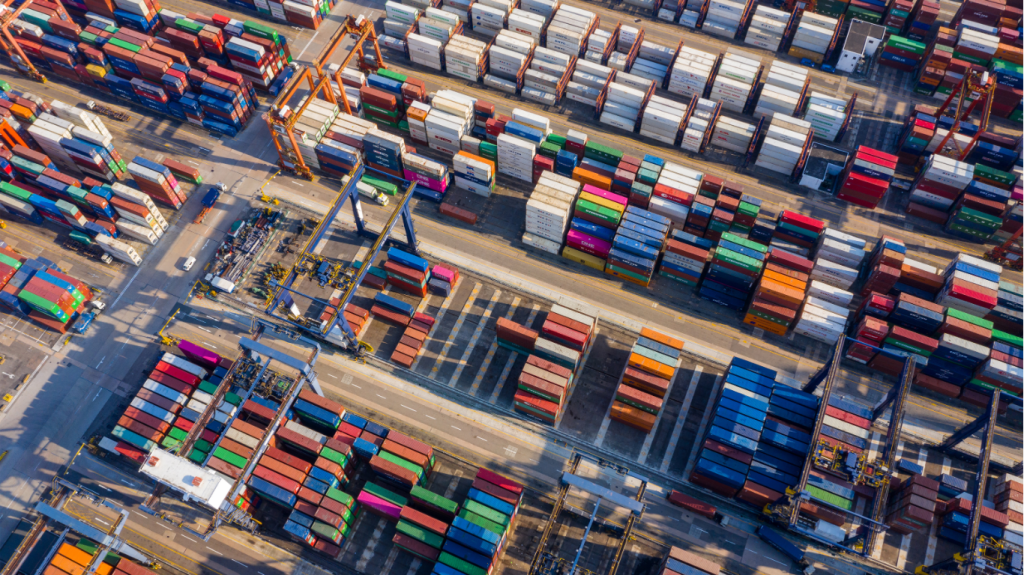
Artificial intelligence has emerged as a transformative force in global supply chain management enabling companies to enhance efficiency reduce costs and improve resilience in an increasingly complex market environment. By leveraging predictive analytics real-time monitoring and automated decision-making, AI systems can anticipate disruptions optimize inventory and streamline logistics.
According to the 2024 McKinsey Global Supply Chain Survey, 61 percent of supply chain leaders reported adopting AI-driven solutions with an average efficiency improvement of 15 percent in logistics operations. AI-powered demand forecasting tools analyze historical data market trends and external factors such as weather patterns or geopolitical events to achieve forecasting accuracy rates of up to 90 percent compared to traditional models which average around 75 percent accuracy.
The application of AI in warehouse automation has also delivered substantial gains. The 2023 International Federation of Robotics report found that AI-enabled robotic systems increased order processing speed by 25 percent and reduced picking errors by 40 percent across global distribution centers. These improvements directly translate into faster delivery times and enhanced customer satisfaction.
AI-driven route optimization has reshaped transportation management by reducing fuel consumption and delivery delays. The 2024 World Economic Forum Logistics Innovation Review reported that companies implementing AI route planning reduced transportation costs by 12 percent and cut carbon emissions by 8 percent annually contributing to both economic and environmental goals.
Resilience is another critical area where AI offers value. The 2023 Gartner Supply Chain Risk Report revealed that organizations using AI-based risk monitoring recovered from supply disruptions 35 percent faster than those relying on conventional monitoring systems. By detecting early warning signals and recommending mitigation strategies AI reduces downtime and prevents revenue loss.
However challenges remain including data integration, cybersecurity risks, and workforce readiness to operate advanced AI systems. The 2024 Deloitte AI in Supply Chains Study noted that 42 percent of companies cited data quality issues as a primary barrier to scaling AI solutions. Addressing these challenges through investment in data infrastructure and employee training is essential for long-term success.
In conclusion artificial intelligence is redefining global supply chain operations by improving forecasting accuracy increasing operational efficiency enhancing resilience and promoting sustainability. Companies that strategically integrate AI technologies are better positioned to compete and thrive in a dynamic global marketplace.


 Vertel Corporation