


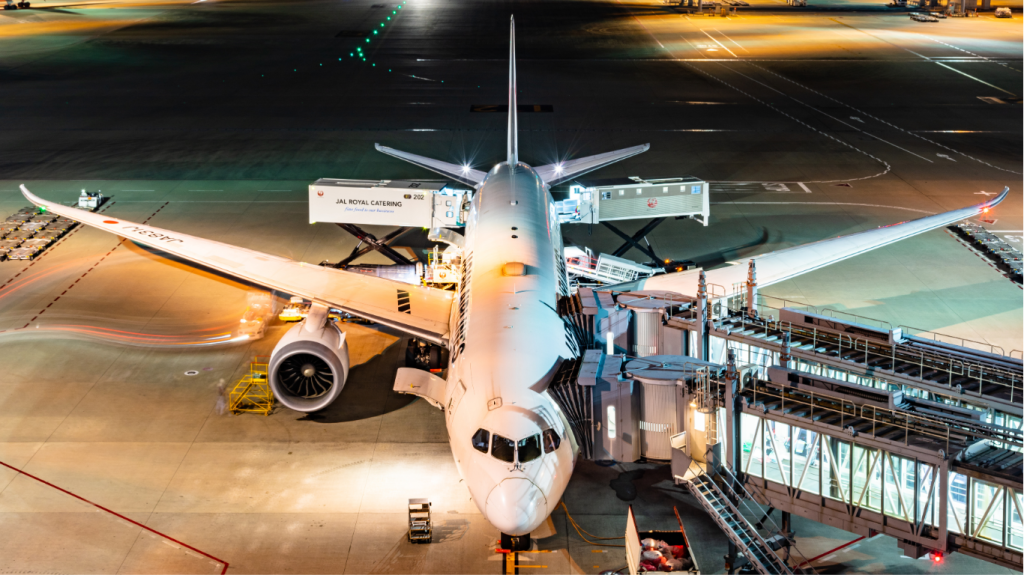
Airports worldwide face growing challenges in managing capacity as passenger numbers continue to rise steadily each year. The increasing demand puts pressure on existing infrastructure operational systems and staff resources, often leading to congestion delays and diminished passenger experiences. Balancing efficient throughput with safety and comfort requires innovative strategies and investments, but many airports struggle with physical space limitations and complex regulatory environments.
According to the Airports Council International’s 2024 Global Airport Traffic Report, global passenger traffic grew by 6.7 percent in 2023, reaching over 9 billion travelers annually. This rapid growth outpaces the rate at which many airports can expand terminals runways and supporting facilities. The report highlights that over 40 percent of major international airports are operating at or above their designed capacity, causing frequent bottlenecks during peak travel periods.
Terminal congestion affects passenger processing times including check-in security screening and boarding. The International Air Transport Association’s 2023 Passenger Experience Survey found that 55 percent of passengers experienced longer wait times at security checkpoints compared to five years ago. Delays and crowding reduce traveler satisfaction and increase operational costs for airlines and airports alike.
Air traffic management also faces constraints due to limited runway availability and airspace restrictions. The Federal Aviation Administration’s 2023 report noted that capacity limits in busy airspaces contributed to an average delay of 15 minutes per flight in the United States. These delays cascade across networks, affecting connections and increasing fuel consumption.
Infrastructure expansion projects encounter obstacles such as high construction costs lengthy approval processes and community opposition. The International Civil Aviation Organization’s 2024 review emphasized that many airports face difficulties in acquiring additional land for expansion especially in urban locations. Environmental regulations also require careful assessment and mitigation efforts which can delay or limit development.
To manage capacity effectively, airports are increasingly turning to technology driven solutions including automated passenger processing, real-time data analytics and predictive demand modeling. The World Economic Forum’s 2023 analysis showed that such innovations can increase operational efficiency by up to 20 percent without physical expansion. Collaboration among airlines regulators and local governments is essential to coordinate efforts and invest strategically.
Sustainability concerns add another layer of complexity, as airports must balance growth with environmental impact reduction goals. The Air Transport Action Group’s 2023 report stressed that capacity management plans need to integrate noise pollution controls and carbon emission reduction measures to maintain community support.
In conclusion managing airport capacity amid rising passenger demand requires a multifaceted approach combining infrastructure development technology adoption and stakeholder collaboration. Addressing physical, regulatory and environmental challenges is vital to ensure safe efficient and pleasant travel experiences. According to Airports Council International’s 2024 report, passenger traffic grew by 6.7 percent in 2023 with over 40 percent of major airports operating at or above capacity. The International Air Transport Association’s 2023 survey found 55 percent of passengers experienced longer security waits. The Federal Aviation Administration’s 2023 report recorded average flight delays of 15 minutes due to airspace constraints. The World Economic Forum’s 2023 analysis showed technology can boost efficiency by 20 percent. The Air Transport Action Group’s 2023 report emphasized integrating sustainability into capacity management.


 Vertel Corporation