

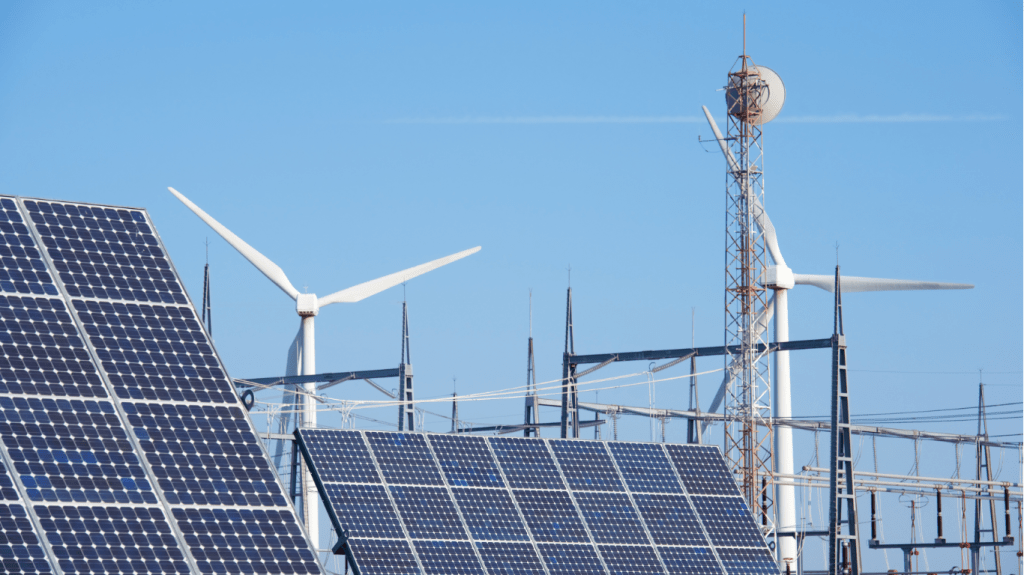
Artificial intelligence is rapidly becoming a cornerstone in the optimization of renewable energy systems enabling producers to increase efficiency reduce operational costs and maximize energy output. By processing vast datasets from weather forecasts sensor readings and grid demand patterns AI algorithms can make real-time adjustments that improve the performance of wind solar and hydroelectric installations.
According to the 2024 International Energy Agency Renewable Integration Report, AI-enabled forecasting systems have improved solar and wind energy output predictions by up to 35 percent compared to traditional statistical methods. This enhanced accuracy reduces energy wastage and supports better integration into national grids which is crucial for maintaining stability as renewable penetration increases.
The 2023 National Renewable Energy Laboratory study showed that AI-based control systems for wind farms increased annual energy yield by 5 to 7 percent by dynamically adjusting turbine blade angles and yaw positions based on real-time wind data. Similarly AI applications in solar farms use predictive maintenance algorithms to detect faults in photovoltaic panels up to 30 days earlier than manual inspections reducing downtime by 20 percent.
AI also plays a critical role in energy storage optimization. The 2024 World Economic Forum Clean Energy Innovation Review highlighted that AI-managed battery systems achieved 15 percent higher charging efficiency and extended battery lifespan by 12 percent compared to conventional control systems. These improvements are essential for balancing supply and demand especially during periods of variable renewable generation.
Integration with smart grids further amplifies AI’s impact. The 2023 European Commission Smart Energy Study found that AI-driven demand-response programs reduced peak electricity consumption by 10 percent across participating cities enabling more consistent renewable utilization and lowering reliance on fossil fuel backup systems.
Challenges remain including the need for high-quality data from multiple sources and cybersecurity safeguards for critical infrastructure. The 2024 Deloitte Energy and Resources AI Adoption Survey reported that 41 percent of renewable energy companies cited data interoperability as a major hurdle while 36 percent expressed concerns over potential cyber threats to AI-managed grid assets.
In conclusion AI-driven solutions are reshaping renewable energy production by enhancing forecasting precision improving operational efficiency optimizing storage systems and strengthening grid integration. As AI technologies mature and deployment scales their role will be central to accelerating the global transition toward a more sustainable and resilient energy future.
 Vertel Corporation