

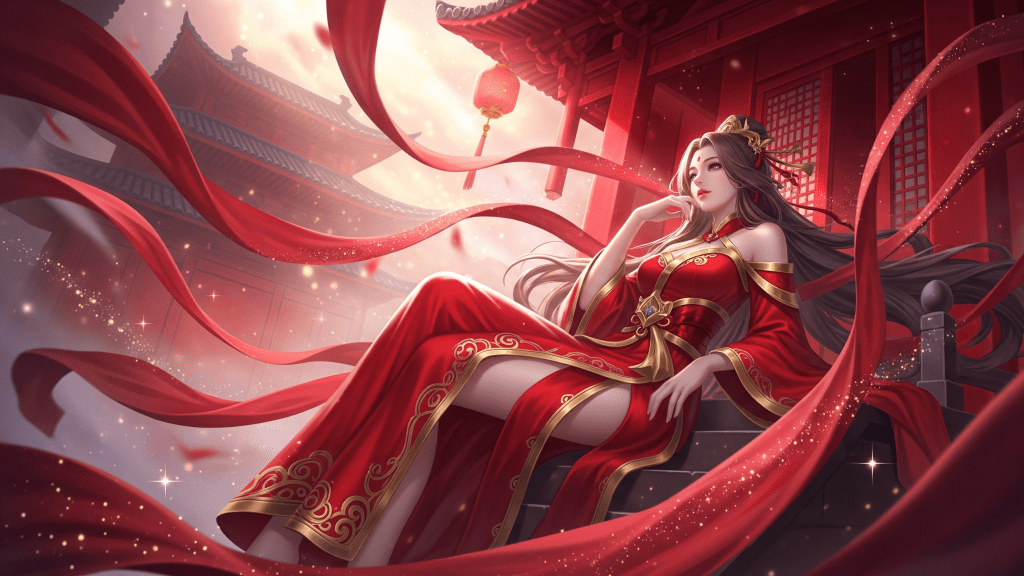
Modern Manhwa, the Korean form of comics, has witnessed a significant evolution in cultural representation and diversity over recent years. Traditionally, Manhwa predominantly reflected Korean cultural norms social values and historical contexts. However, as the global popularity of Manhwa grows, creators and publishers have increasingly embraced more diverse characters settings and themes to appeal to a wider international audience. This shift toward inclusivity reflects broader societal demands for representation and has sparked positive reception across varied demographic groups worldwide.
One key development is the incorporation of multicultural characters and narratives that explore issues of identity migration and cultural intersectionality. According to the Korean Creative Content Agency’s 2024 report, 48 percent of newly published Manhwa feature protagonists from diverse ethnic or cultural backgrounds, a substantial increase from just 20 percent five years ago. This expansion helps broaden reader relatability and introduces global social issues within storytelling frameworks traditionally centered on Korean experiences.
Themes addressing gender diversity and LGBTQ+ representation have also become more prominent in modern Manhwa. The Asia-Pacific Comics Research Institute’s 2023 study revealed that 35 percent of popular Manhwa titles include LGBTQ+ characters or storylines, reflecting a growing openness in Korean media toward sexual and gender minorities. This inclusion not only resonates with domestic progressive audiences but also aligns with international demands for diverse media representation.
Global reception to these changes has been largely positive with Manhwa gaining significant traction in Western markets where demand for diverse content is rising. The Seoul Animation Center’s 2024 survey found that 62 percent of international Manhwa readers value cultural diversity as a key factor influencing their engagement and purchase decisions. Additionally diverse representation is credited with expanding fan communities and fostering cross-cultural dialogue through shared narratives.
Moreover, digital platforms such as Webtoon have played a pivotal role in facilitating diversity by providing creators with greater freedom to explore unconventional topics and marginalized voices. The Digital Entertainment Research Institute’s 2023 report noted that 55 percent of Webtoon’s top-ranked series include diverse cultural themes or characters, underscoring the platform’s influence in democratizing content creation and distribution.
Despite these positive trends challenges remain in avoiding stereotypical portrayals and ensuring authentic representation. Industry experts emphasize the importance of involving creators from diverse backgrounds to bring genuine perspectives. The Korean Creative Content Agency’s 2024 white paper stresses that authentic diversity efforts contribute not only to richer storytelling but also to greater commercial success in global markets.
In conclusion, modern Manhwa is progressively embracing cultural representation and diversity, responding to both domestic and international audiences’ evolving expectations. Nearly 48 percent of new Manhwa feature diverse protagonists according to the Korean Creative Content Agency’s 2024 report. The Asia-Pacific Comics Research Institute’s 2023 study found 35 percent inclusion of LGBTQ+ themes. The Seoul Animation Center’s 2024 survey revealed 62 percent of global readers prioritize diversity. The Digital Entertainment Research Institute’s 2023 report showed 55 percent of top Webtoon series include diverse themes. These developments have enriched the medium while enhancing its global appeal and fostering cross-cultural understanding.
 Vertel Corporation