

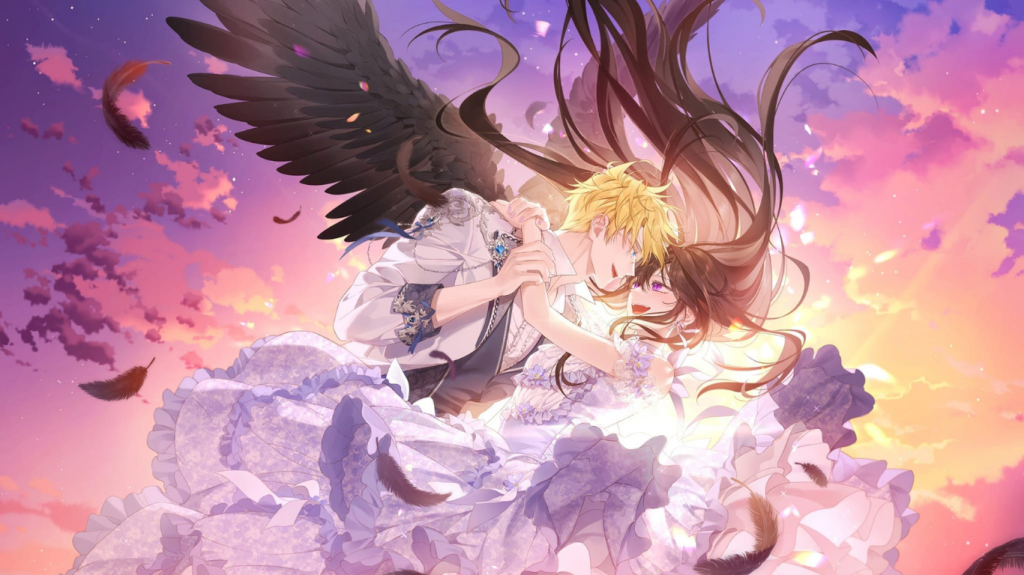
Manhua from China and Manhwa from Korea have long been celebrated for their distinctive art styles and narrative approaches deeply rooted in Eastern cultural traditions. However, in recent years these mediums have increasingly incorporated elements from Western storytelling, resulting in a rich cross-cultural blend that appeals to a global audience. This fusion reflects broader trends in the entertainment industry where cultural boundaries are becoming more fluid and creators seek to engage diverse readers by integrating familiar themes and techniques from multiple traditions.
One of the key ways Western influence manifests in Manhua and Manhwa is through narrative structure. Traditional Eastern comics often emphasize episodic storytelling with slower pacing and philosophical or moral undertones. Meanwhile Western comics and graphic novels typically focus on tighter story arcs with heightened dramatic tension and clear resolutions. According to the Seoul Animation Center’s 2023 industry survey, approximately 60 percent of new Manhwa series have adopted more complex multi-arc plotlines reminiscent of Western graphic novels, which helps sustain reader interest over longer publication periods.
Character development in contemporary Manhua and Manhwa also shows Western influence. Western storytelling prioritizes character depth and psychological complexity, encouraging empathy and relatability. The Korean Creative Content Agency’s 2024 report highlights that 55 percent of popular Manhwa protagonists display multi-dimensional traits such as internal conflict and moral ambiguity, diverging from earlier archetypes that were more idealized or symbolic.
Visual storytelling techniques provide another area of cultural blending. While traditional Eastern art styles favor detailed backgrounds and expressive but restrained character designs, Western comics often employ dynamic panel layouts and exaggerated action sequences. The China Animation and Comic Association’s 2023 study found that nearly 45 percent of Manhua artists now incorporate cinematic framing and varied panel composition typical of Western comics, enhancing visual excitement and narrative pace.
Themes explored in Manhua and Manhwa also reflect a mix of Eastern and Western sensibilities. Stories increasingly address universal issues such as identity, social justice and mental health, topics prevalent in Western media. According to a 2024 analysis by the Asia-Pacific Comics Research Institute, over 50 percent of top-selling Manhwa titles include social commentary elements inspired by global conversations, helping to resonate with international audiences.
The digital revolution and global platforms such as Webtoon and Tapas have accelerated cross-cultural exchange by providing creators access to international readership and feedback. This exposure encourages adaptation of storytelling techniques that transcend cultural origins while preserving unique local flavors. The Seoul Digital Media Institute’s 2023 report noted that creators using these platforms reported a 30 percent increase in narrative experimentation blending East and West.
In conclusion, Manhua and Manhwa serve as vibrant examples of cultural hybridization in entertainment by blending Eastern and Western storytelling traditions. The integration of Western narrative structures character complexities visual styles and themes alongside Eastern artistic and cultural elements has broadened their appeal and enriched the medium. According to the Seoul Animation Center’s 2023 survey, 60 percent of new Manhwa adopt Western-style plot arcs. The Korean Creative Content Agency’s 2024 report found 55 percent of protagonists have Western-inspired depth. The China Animation and Comic Association’s 2023 study showed 45 percent of artists use cinematic framing. The Asia-Pacific Comics Research Institute’s 2024 analysis highlighted 50 percent inclusion of global social themes. The Seoul Digital Media Institute’s 2023 data revealed a 30 percent rise in narrative experimentation through global platforms.
 Vertel Corporation