

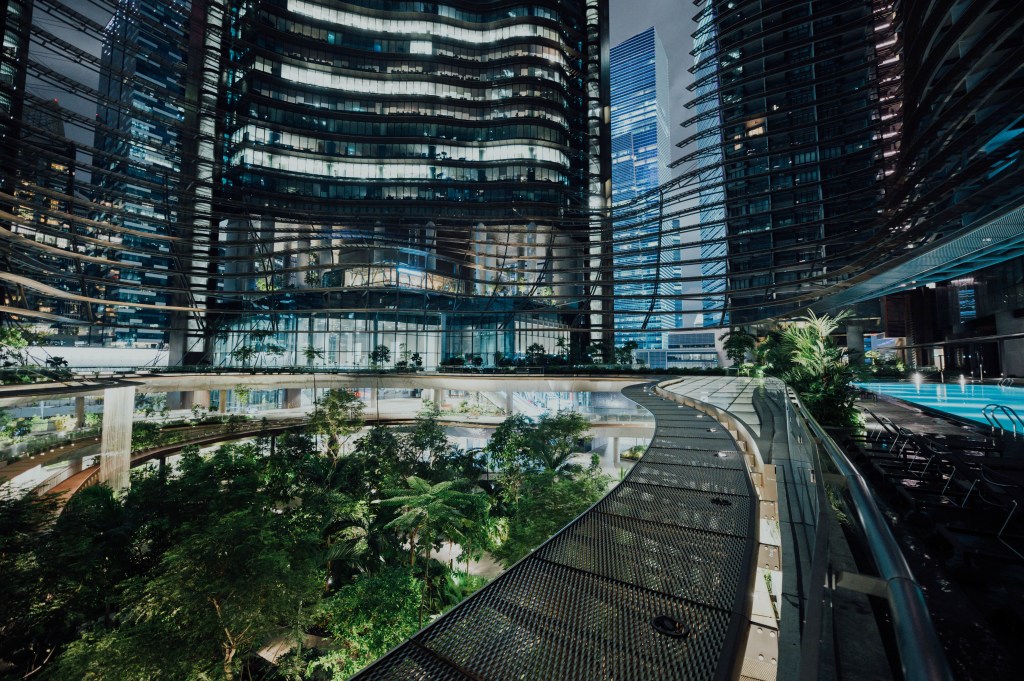
Sustainable materials are revolutionizing modern construction projects by enabling eco-friendly, cost-efficient and resilient building practices that respond to growing environmental concerns. According to the World Green Building Trends report 2024, 72 percent of construction projects worldwide now include at least one sustainable material, marking a significant increase from 54 percent in 2018. This shift is driven by stricter regulations, rising client demand and enhanced awareness of environmental impacts.
Concrete traditionally accounts for 8 percent of global carbon dioxide emissions, making it a primary target for sustainability improvements. Innovations such as geopolymer concrete and carbon capturing concrete have reduced emissions by up to 40 percent compared to conventional mixes, according to the International Energy Agency report 2023. These materials not only lower the carbon footprint but often improve durability and longevity, reducing lifecycle costs.
Timber and engineered wood products are gaining traction as renewable alternatives. The Global Wood Markets Outlook 2024 states that cross laminated timber use in construction projects increased by 31 percent from 2020 to 2024. Timber construction reduces carbon emissions by an estimated 50 percent compared to steel and concrete structures. Additionally, engineered wood enables design flexibility and quicker build times, benefits highly valued in urban developments.
Recycled materials also contribute significantly to sustainable construction. According to the United Nations Environment Programme’s 2023 Global Waste Management report, 29 percent of construction and demolition waste is now diverted back into new building materials. Recycled steel production requires 75 percent less energy than primary steel, which helps reduce overall project emissions. Concrete aggregates made from recycled concrete can replace up to 30 percent of virgin aggregates without compromising strength.
Green insulation materials are transforming energy efficiency in buildings. A 2024 study by the Building Research Establishment shows that bio based insulation products like cellulose, sheep wool, and hemp reduce energy consumption for heating and cooling by an average of 23 percent compared to traditional foam insulations. These materials also improve indoor air quality and are biodegradable at end of life.
The adoption of sustainable materials correlates strongly with certifications like LEED and BREEAM. Data from the US Green Building Council indicates that projects aiming for LEED Gold or higher use sustainable materials in over 85 percent of their construction components. These certifications drive market demand and encourage innovation in material sourcing and manufacturing.
Financial benefits further motivate sustainable material use. According to McKinsey’s 2024 report on sustainable construction, buildings incorporating green materials reduce operational costs by up to 20 percent through improved energy efficiency and lower maintenance needs. Investors increasingly favor such projects, perceiving them as lower risk and better aligned with Environmental, Social and Governance criteria.
In summary sustainable materials are fundamentally transforming modern construction by reducing environmental impacts while enhancing economic and operational outcomes. The continued evolution of low carbon concrete alternatives, renewable timber products, recycled materials and bio based insulation is helping the construction sector meet ambitious sustainability targets and deliver buildings that are both resilient and responsible.
 Vertel Corporation