

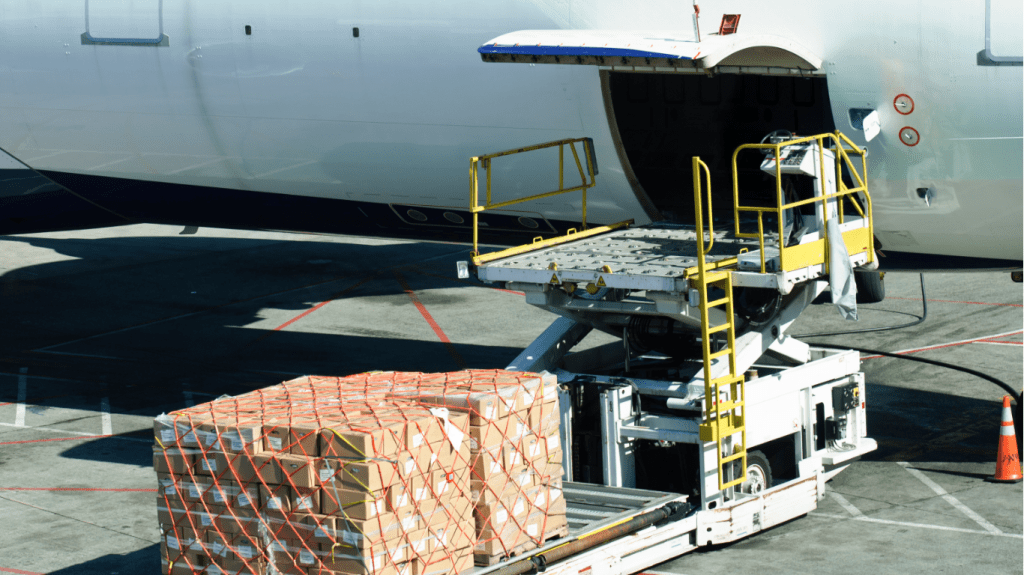
Cargo aviation has experienced significant growth and transformation over recent years, playing a critical role in supporting global supply chains. The rise of e-commerce the demand for rapid delivery and disruptions caused by events such as the COVID-19 pandemic have accelerated changes in air cargo operations and logistics strategies. These trends are reshaping how goods move internationally and influencing supply chain resilience and efficiency.
According to the International Air Transport Association’s 2024 Cargo Market Report, global air cargo volumes increased by 8.4 percent in 2023, recovering strongly from pandemic related declines. This growth was driven primarily by increased demand for consumer electronics pharmaceuticals and perishable goods that require fast and reliable transport. E-commerce accounted for over 25 percent of air cargo demand in 2023, reflecting shifting consumer behaviors towards online shopping and faster delivery expectations.
The integration of advanced technologies such as Internet of Things sensors blockchain and artificial intelligence is enhancing cargo tracking security and transparency. The World Economic Forum’s 2023 analysis highlighted that real time tracking and predictive analytics reduced shipment delays by 20 percent and improved inventory management across supply chains. These innovations also help mitigate risks from disruptions by providing early warnings and alternative routing options.
Sustainability concerns are increasingly influencing cargo aviation strategies. The Air Transport Action Group’s 2023 report noted that carbon emissions from air freight constitute approximately 2 percent of global transport emissions, prompting investment in more fuel efficient aircraft and sustainable aviation fuels. Airlines are also exploring modal shifts and collaboration with other transport sectors to optimize carbon footprints.
Capacity constraints and infrastructure bottlenecks remain challenges in meeting growing demand. The International Civil Aviation Organization’s 2024 review emphasized the need for expanding cargo terminal facilities and streamlining customs procedures to reduce dwell times and improve turnaround. Airports with dedicated cargo hubs and automation technologies reported better operational efficiency and service levels.
Geopolitical factors and trade policies continue to affect cargo flows and supply chain dynamics. Tariffs restrictions and changing trade agreements create volatility that requires agile logistics planning. The International Monetary Fund’s 2023 report stressed that diversified sourcing and flexible transport modes are critical strategies to manage uncertainties.
In conclusion, cargo aviation is evolving rapidly in response to growing demand technological advances and environmental considerations. Its influence on global supply chains is profound improving speed reliability and transparency while also facing capacity and regulatory challenges. Continued innovation investment and collaboration among stakeholders will be key to sustaining growth and resilience. According to the International Air Transport Association’s 2024 report global air cargo volumes grew by 8.4 percent in 2023. The World Economic Forum’s 2023 analysis found a 20 percent reduction in shipment delays through technology. The Air Transport Action Group’s 2023 report stated air freight contributes about 2 percent of global transport emissions. The International Civil Aviation Organization’s 2024 review emphasized infrastructure expansion needs. The International Monetary Fund’s 2023 report highlighted the importance of supply chain diversification.
 Vertel Corporation