

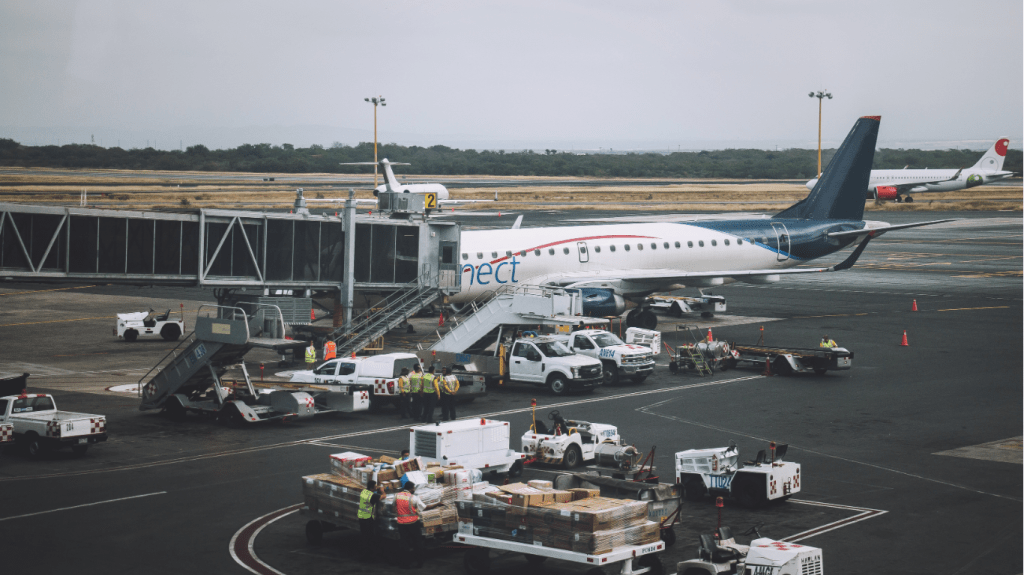
Airport ground operations are a vital component of overall airport functionality, encompassing aircraft turnaround services, baggage handling, refueling, catering and ground transportation. Efficient management of these activities directly influences flight punctuality passenger satisfaction and operational costs. In response to rising passenger volumes and increasing complexity, airports are adopting innovative approaches to optimize ground operations and boost efficiency.
One key innovation is the integration of Internet of Things technology in ground equipment and vehicles. Real-time monitoring of fuel trucks baggage carts and pushback tugs allows airports to track asset utilization and maintenance needs precisely. According to the International Air Transport Association’s 2024 Ground Operations Efficiency Report, airports leveraging IoT solutions saw a 15 percent reduction in equipment downtime and a 12 percent improvement in turnaround times.
Automation is another significant advancement. Automated baggage handling systems equipped with robotics reduce manual errors and speed up luggage transfer between terminals and aircraft. The Airport Cooperative Research Program’s 2023 study found that airports employing robotic sorting technologies decreased mishandled baggage incidents by 27 percent. Autonomous vehicles for transporting cargo and supplies also contribute to smoother workflows and reduced labor costs.
Data analytics and predictive modeling play crucial roles in anticipating operational bottlenecks and allocating resources effectively. The Federal Aviation Administration’s 2023 report demonstrated that predictive analytics reduced gate assignment conflicts by 18 percent and optimized staffing schedules to match demand fluctuations. This proactive approach minimizes delays and improves overall ground service quality.
Collaborative decision making platforms facilitate communication among airlines ground handlers air traffic controllers and airport authorities. The World Economic Forum’s 2023 analysis revealed that airports using collaborative platforms enhanced coordination efficiency by 22 percent leading to quicker problem resolution and reduced delays.
Sustainability considerations are increasingly integrated into ground operations management. The International Civil Aviation Organization’s 2024 Environmental Review highlighted initiatives such as electric ground support equipment and optimized vehicle routing that lowered carbon emissions by 20 percent. These measures align operational efficiency goals with environmental responsibility.
Despite these innovations, challenges remain including high initial investment costs technology integration complexities and workforce adaptation. Continuous training and stakeholder engagement are essential to realize the full benefits of modernized ground operations.
In summary innovative technologies and collaborative approaches significantly enhance airport ground operations by improving asset utilization reducing errors anticipating challenges and supporting sustainability. According to the International Air Transport Association’s 2024 report IoT implementation cut equipment downtime by 15 percent. The Airport Cooperative Research Program’s 2023 study showed a 27 percent decrease in mishandled baggage. The Federal Aviation Administration’s 2023 report noted an 18 percent reduction in gate conflicts. The World Economic Forum’s 2023 analysis found a 22 percent improvement in coordination efficiency. The International Civil Aviation Organization’s 2024 review reported a 20 percent cut in carbon emissions through green initiatives.
 Vertel Corporation