
In the rapidly evolving landscape of the 21st century, the integration of modern technology into human life has become a pivotal area of research and development. Susdev Land, a leader in sustainable development and innovation, has been at the forefront of exploring how advanced technologies can be seamlessly incorporated into daily life to enhance efficiency, sustainability, and overall quality of life. This research delves into various aspects of technological integration, highlighting key areas such as smart cities, renewable energy, healthcare, and education.
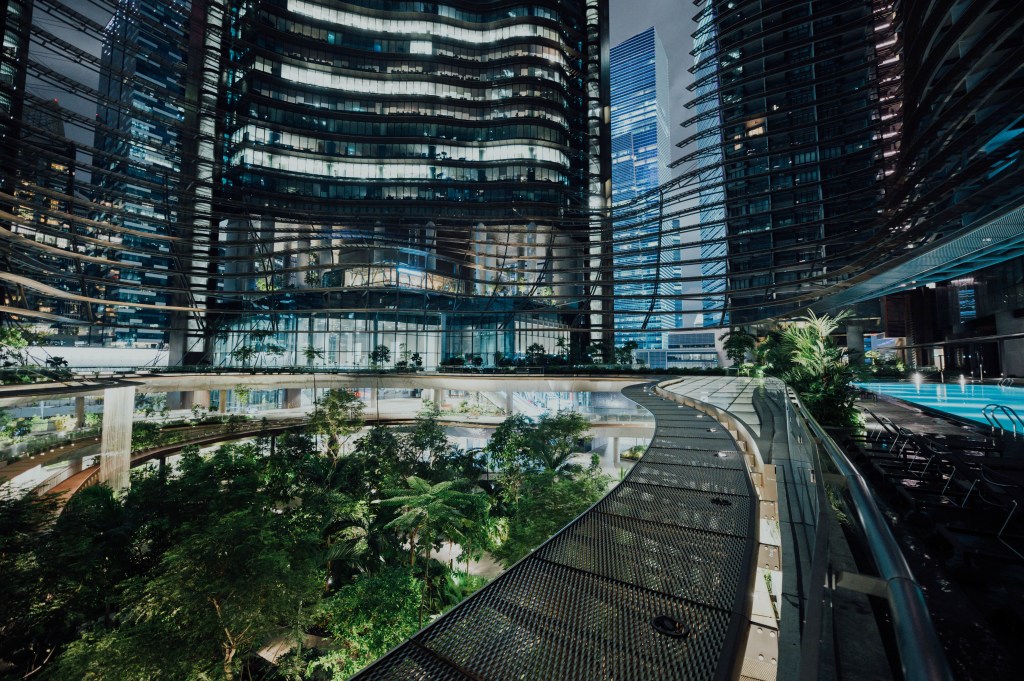
Smart Cities: The Future of Urban Living
One of the most significant areas of Susdev Land’s research is the development of smart cities. These urban areas leverage cutting-edge technologies to improve infrastructure, reduce environmental impact, and enhance the quality of life for residents. Key components of smart cities include the Internet of Things (IoT), smart grids, and sustainable transportation. IoT devices are used to collect and analyze data from various sources, such as traffic lights, waste management systems, and energy grids. This data helps optimize city operations and improve resource management. Smart grids use digital communication technology to detect and react to local changes in usage, improving energy efficiency and reliability. Sustainable transportation integrates electric vehicles, autonomous public transport, and smart traffic management systems to reduce carbon emissions and enhance mobility.
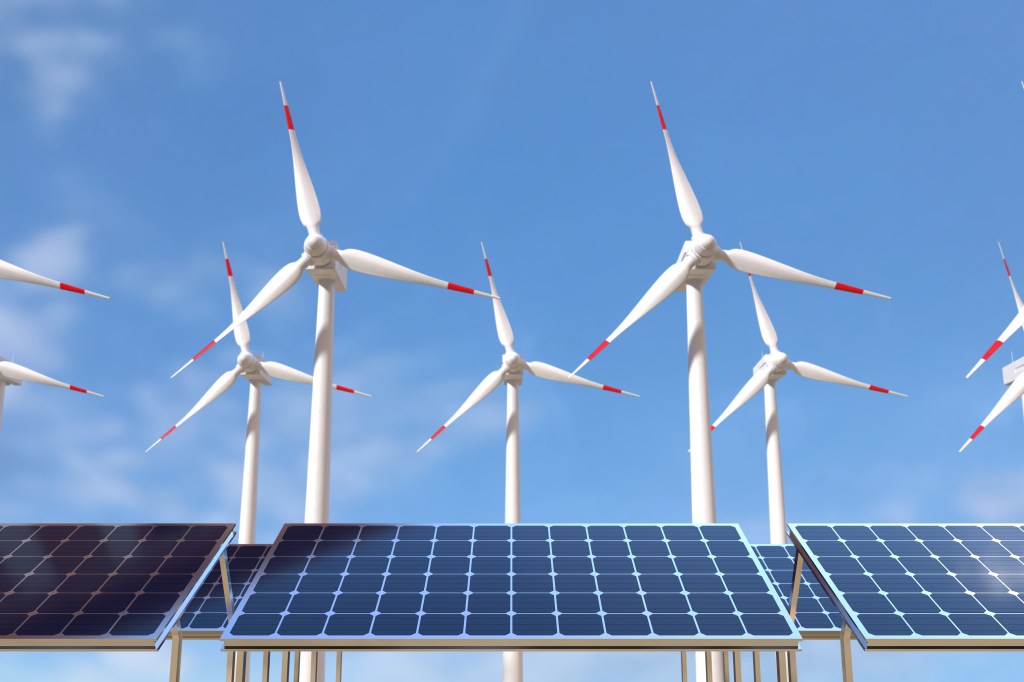
Renewable Energy: Powering a Sustainable Future
Susdev Land is deeply committed to integrating renewable energy sources into everyday life. Their research focuses on solar and wind energy, energy storage solutions, and smart energy management. They are developing efficient solar panels and wind turbines that can be integrated into residential and commercial buildings. Advanced battery systems are being created to store energy generated from renewable sources, ensuring a stable and reliable power supply. Additionally, smart energy management systems are being implemented to monitor and optimize energy usage in real-time, reducing waste and lowering costs.
Susdev Land’s research on integrating modern technology into human life is paving the way for a future where technology enhances every aspect of our lives. By focusing on smart cities, renewable energy, healthcare, and education, Susdev Land is not only improving efficiency and quality of life but also ensuring that these advancements are sustainable and ethically sound. As we move forward, the continued exploration and implementation of these technologies will be crucial in shaping a better, more connected world.

Healthcare: Revolutionizing Patient Care
The integration of modern technology in healthcare is another critical area of Susdev Land’s research. Key innovations include telemedicine, wearable health devices, and AI in diagnostics. Telemedicine utilizes digital communication tools to provide remote medical consultations, making healthcare more accessible, especially in rural areas. Wearable health devices monitor vital signs and health metrics, allowing for continuous health monitoring and early detection of potential issues. AI in diagnostics uses artificial intelligence to analyze medical data and assist in diagnosing diseases more accurately and quickly.

Education: Enhancing Learning Experiences
Susdev Land’s research also explores how technology can transform education. Key initiatives include e-learning platforms, virtual and augmented reality, and AI tutors. E-learning platforms create interactive and personalized online learning environments that cater to the needs of individual students. Virtual and augmented reality are used to create immersive learning experiences, making complex subjects more understandable and engaging. AI tutors provide personalized assistance and feedback to students, enhancing their learning outcomes.

Ethical Considerations and Challenges
While the integration of modern technology offers numerous benefits, it also presents several ethical considerations and challenges. Susdev Land’s research addresses these issues by focusing on data privacy, the digital divide, and sustainability. Ensuring that personal data collected by smart devices and systems is protected and used ethically is paramount. Efforts are being made to bridge the gap between those who have access to advanced technologies and those who do not, ensuring equitable access for all. Balancing technological advancements with environmental sustainability is also crucial, ensuring that new technologies do not harm the planet.

Susdev Land

Susdev Land utilizes artificial intelligence (AI) and other advanced technologies to optimize the architectural design process. AI helps create detailed and accurate 3D models, reducing errors and saving time. Software like BIM (Building Information Modeling) allows architects and engineers to collaborate on a single platform, improving coordination and efficiency. Additionally, virtual reality (VR) and augmented reality (AR) technologies are used to let clients experience the design space before construction, giving them a clear view and helping them make informed decisions.
Susdev uses AI and advanced tech for precise 3D models and better collaboration.

Susdev Pearl
In the hospitality sector, Susdev Pearl applies intelligent management systems to optimize operations and enhance customer experience. Property Management Systems (PMS) integrated with IoT (Internet of Things) technologies help monitor and manage assets, from temperature and lighting control to energy management. Mobile applications allow customers to book rooms, check-in, and check-out easily, while providing personalized services based on customer preferences. AI systems are also used to analyze customer data, developing effective marketing strategies and improving services.

Smart systems and IoT enhance operations and customer experiences.

SusAir

SusAir is also a pioneer in applying modern technology to airport design and operations. Technologies like AI and machine learning are used to optimize passenger and cargo flow, minimizing wait times and enhancing security. Smart airport management systems help monitor and coordinate activities, from managing aircraft parking to air traffic control. Facial recognition and biometric technologies are applied to improve check-in and security processes, providing a convenient and safe experience for passengers.





 Vertel Corporation
You must be logged in to post a comment.